
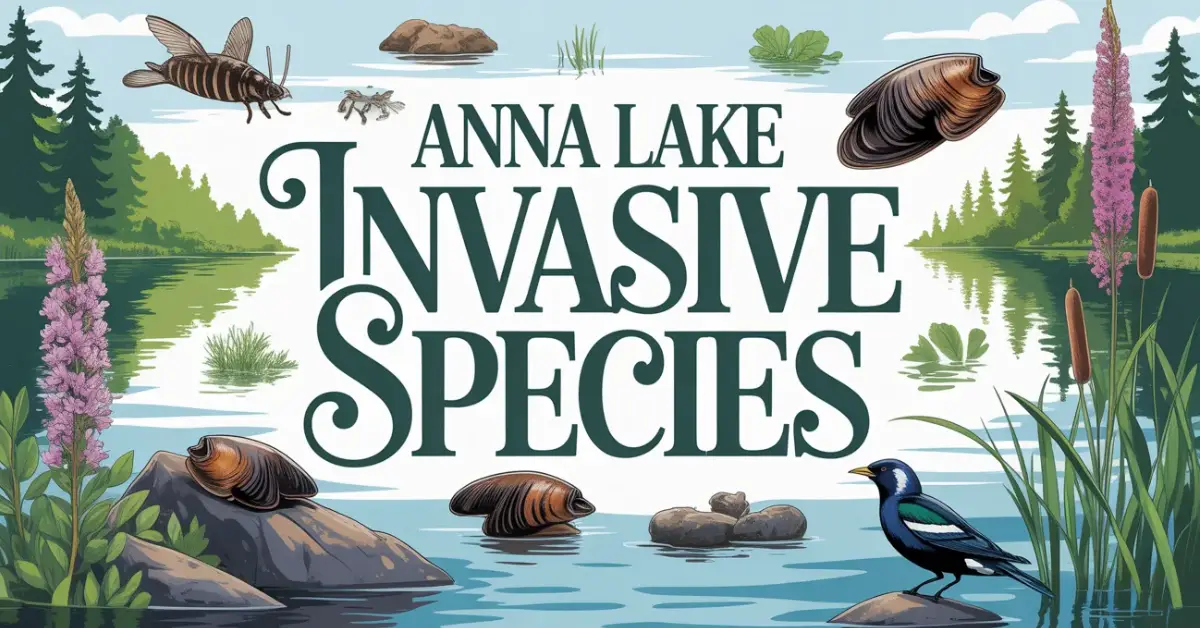
Anna Lake invasive species are changing the natural balance of one of Virginia’s most loved freshwater destinations. Families visit this lake for boating, fishing, and swimming. However, aquatic invaders are silently reshaping the underwater world. Understanding the problem helps you protect your property, your recreation time, and the lake itself.
Located in Lake Anna, Virginia, this reservoir stretches across Louisa County and Spotsylvania County. It also connects to the wider Chesapeake Bay watershed, which means damage here spreads beyond the shoreline. Many residents now ask, what invasive species are in Lake Anna Virginia, and the answer is more serious than most expect.
What Are the Most Common Invasive Species in Anna Lake?
The term Anna Lake invasive species refers to aquatic invasive species that are not native to the region and cause harm. These non-native species multiply quickly. They outcompete local plants and fish. As a result, freshwater ecosystem health declines and biodiversity loss begins.
Common invaders include zebra mussels in Anna Lake, Eurasian watermilfoil, hydrilla infestation, snakehead fish, blue catfish overpopulation, and even invasive carp species. Each of these species fuels aquatic vegetation overgrowth and creates ecosystem imbalance. Many residents search what fish species are invasive in Lake Anna because they notice changes in fishing patterns.
| Species | Type | Main Threat |
| Zebra Mussels | Mollusk | Infrastructure clogging |
| Eurasian Watermilfoil | Plant | Surface mat formation |
| Hydrilla | Plant | Rapid spread |
| Snakehead Fish | Fish | Predator dominance |
| Blue Catfish | Fish | Native competition |
How Invasive Species Are Impacting Anna Lake’s Ecosystem
The spread of Anna Lake invasive species disrupts natural cycles. When invasive aquatic plants dominate the shoreline, they block sunlight. Native vegetation dies off. Soon after, native fish population decline becomes visible.
This chain reaction triggers a trophic cascade. Harmful algae blooms form due to nutrient pollution and water quality degradation. Shoreline habitat damage increases as sediment displacement weakens banks. Experts from the Virginia Department of Wildlife Resources warn that freshwater biodiversity faces serious pressure.
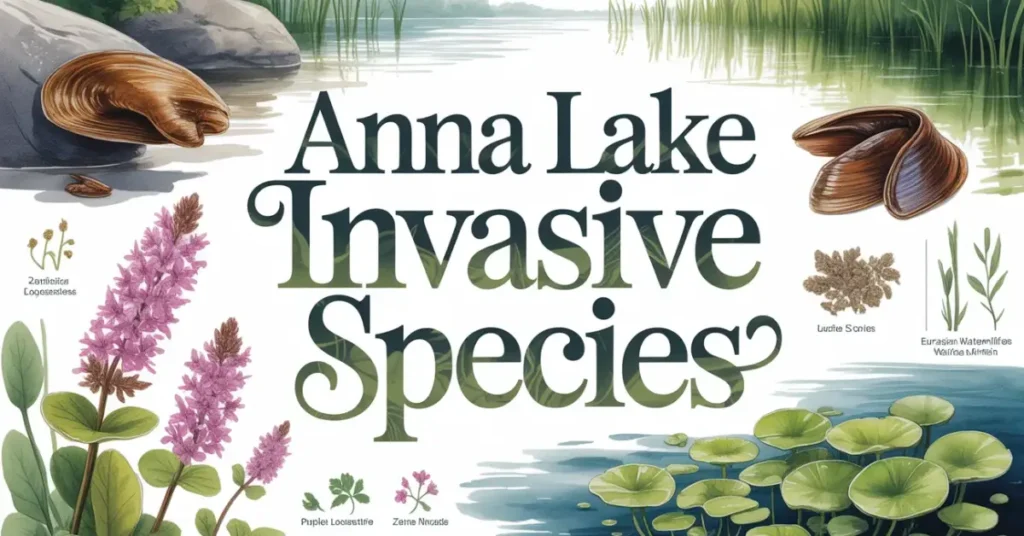
Zebra Mussels, Eurasian Watermilfoil & Other Threats to Anna Lake
Zebra mussels in Anna Lake attach to docks, pipes, and boat hulls. They filter water aggressively. Clearer water may look healthy. However, this filtration shifts nutrient balance and harms microscopic life. Many visitors ask, how did zebra mussels get into Lake Anna, and boating traffic is often the answer.
Eurasian watermilfoil and hydrilla infestation create thick surface mats. Boats struggle to pass through. Swimming areas shrink. Aquatic weed invasion reduces oxygen levels at night. Some residents now ask, is hydrilla a problem in Lake Anna, and monitoring reports confirm ongoing concerns.
How Did Invasive Species Enter Anna Lake?
Most Anna Lake invasive species arrived through human activity. Boats moving between lakes carry plant fragments. Fishing equipment spreads microscopic organisms. Ballast water contamination also plays a role in broader water systems.
The fishing impact on invasive spread is often underestimated. Anglers who fail to clean gear unknowingly transport aquatic invasive species. Aquarium dumping adds another layer of risk. Prevention starts with awareness and strict adherence to lake boating regulations.
Environmental and Economic Impact of Invasive Species in Anna Lake
The environmental damage extends beyond plants and fish. Freshwater ecosystem health weakens when habitat disruption intensifies. Harmful algae blooms affect swimming areas. Residents question, are invasive species dangerous to swimmers, and certain blooms indeed produce toxins.
The economic impact of invasive species in Lake Anna is equally serious. Property owners report shoreline habitat damage and decreased aesthetics. Many ask, do invasive species affect property values near Lake Anna, and real estate agents confirm concerns. Recreational lake management costs rise every year.
| Impact Area | Environmental Effect | Economic Effect |
| Shoreline | Sediment displacement | Property repair costs |
| Fishing | Native fish population decline | Lower tourism revenue |
| Water Quality | Water quality degradation | Treatment expenses |
you can also read about: Lake Effect Snow Warning: Master Guide for the Great Lakes Snow Belts 2026
Native vs. Invasive Species: Understanding the Ecological Imbalance in Anna Lake
Native species evolved within Lake Anna’s climate and nutrient system. They stabilize sediment and support freshwater biodiversity. In contrast, non-native species grow aggressively and dominate available space.
This imbalance drives biodiversity loss and aquatic vegetation overgrowth. Over time, ecological restoration becomes harder and more expensive. Residents frequently search why are invasive species bad for Lake Anna, and the answer lies in long term ecosystem imbalance.
Current Efforts to Control and Manage Invasive Species in Anna Lake
Local agencies work to slow the spread of Anna Lake invasive species. The Virginia Department of Environmental Quality partners with the U.S. Fish and Wildlife Service under the Invasive Species Control Program. They use Integrated Pest Management IPM strategies to remove invasive aquatic plants safely.
Mechanical harvesting removes dense mats. Biological controls reduce hydrilla infestation. Volunteers assist lake conservation efforts through monitoring programs. These combined actions aim to restore freshwater ecosystem health without harming native habitats.
Virginia State Regulations on Invasive Species in Anna Lake
Virginia invasive species regulations 2026 focus on prevention and enforcement. Under the Clean Water Act and Aquatic Nuisance Species ANS guidelines, transporting certain species is illegal. Lake boating regulations now emphasize strict inspection.
Boat cleaning stations operate near major ramps. Visitors must follow boat cleaning rules for Lake Anna Virginia before entering or leaving the water. These rules reduce aquatic weed invasion and protect the Chesapeake Bay watershed.
How Boaters and Anglers Can Prevent the Spread of Invasive Species
Stopping Anna Lake invasive species requires action from everyone. The clean drain dry campaign teaches boaters simple steps. These include draining bilge water and removing visible plants. Many people search how to prevent invasive species in Lake Anna before visiting.
Following clean drain dry Lake Anna guidelines lowers risk. Anglers should review fishing equipment cleaning tips Lake Anna to prevent contamination. Learning how to stop the spread of zebra mussels protects future recreation seasons.
Signs of Invasive Species Infestation in Anna Lake
Early detection limits damage. Watch for aquatic vegetation overgrowth near docks. Notice unusual fish patterns. A sudden native fish population decline signals deeper issues.
Cloudy water or algae buildup may indicate harmful algae blooms. The latest invasive species report Lake Anna often highlights these warning signs. Checking the Lake Anna invasive species map helps residents monitor risk zones.
Long-Term Risks of Invasive Species to Anna Lake Wildlife and Water Quality
Unchecked Anna Lake invasive species create permanent habitat disruption. Over time, sediment displacement alters shoreline structure. Nutrient pollution increases algae events and oxygen loss.
The long term effects of invasive plants in Lake Anna include reduced freshwater biodiversity and chronic water quality degradation. Experts from the Environmental Protection Agency EPA warn that ignoring small outbreaks leads to irreversible ecological restoration challenges.
How the Community Can Help Protect Anna Lake from Invasive Species
Community action strengthens lake conservation efforts. Residents attend public meetings and follow Lake Anna conservation programs update announcements. Awareness reduces ecosystem imbalance.
Every visitor plays a role. Following lake boating regulations, cleaning gear, and reporting sightings supports freshwater ecosystem health. Protecting Anna Lake invasive species threats today ensures a safe lake tomorrow.
Final Thoughts
Anna Lake invasive species remain one of the biggest environmental challenges in central Virginia. However, informed residents and strong regulations make a difference. When you understand how invasive plants affect Lake Anna water quality and act responsibly, you protect recreation, wildlife, and property value.
The future of Lake Anna depends on vigilance, cooperation, and steady ecological restoration.